A second date works best when the two of you are doing something side by side, not sitting across a table performing. That is the whole logic behind these second date ideas that build connection: a shared activity lowers the pressure to keep talking, gives you built-in things to react to, and leaves you with real material for the next conversation. Choose the one that matches your energy, your budget and your actual interests, then let the activity do the work for you.
Most second dates fail for boring reasons. You repeated the first date. Or you picked something expensive, which quietly signals you are trying too hard. Or you chose something passive that puts every ounce of social skill on display with nothing to hide behind.
The fourteen ideas below are grouped so you can find the right one fast. Every one includes a planning level, a rough cost in words rather than numbers, and the specific mechanism that makes it build connection. A handful cover the awkward cases too: when the first date was already an activity, when you are on a tight budget, when one of you is nervous about being looked at.
One thing worth sorting out first: on date two, the question people are quietly asking is not am I attracted to this person, it is do I want to see them again in a normal week. An activity that shows you how someone handles a small problem, a shared task, or ninety minutes of boredom tells you more than another restaurant does. Plan for that, and the evening tends to take care of itself.
Table of Contents→
- Second Date Ideas That Build Connection at a Glance
- 1. Cook a Simple Meal Together
- 2. Bring Books to a Cozy Café
- 3. Take a Beginner-Friendly Dance Lesson
- 4. Browse a Small Art Gallery or Museum
- 5. Go for a Walk With No Rushed Destination
- 6. Play a Board Game With a Cooperative Twist
- 7. Attend a Casual Live Music Session
- 8. Explore a Farmers Market and Picnic
- 9. Try a Beginner Ceramics Class
- 10. Take a Sunset Walk With One Planned Conversation Prompt
- 11. Visit a Pet-Friendly Spot and Talk About Animals
- 12. Build a Shared Playlist and Discuss Favorites
- 13. Work Through a Fun Quiz or Puzzle Experience
- 14. Take a Short Day Trip With One Flexible Activity
- Frequently Asked Questions
- What are good second date ideas when the first date went well?
- What second date ideas are inexpensive but still create good conversation?
- Should a second date be more planned than a first date?
- What if I am nervous about suggesting an activity on a second date?
- How do I know whether a second date created genuine connection?
- Choose the One Idea That Feels Like Both of You
Second Date Ideas That Build Connection at a Glance
Use this table to shortlist. The last column is the one that matters most, because it tells you what kind of conversation you are actually signing up for.
| Activity | Planning | Budget | Connection it encourages |
|---|---|---|---|
| Cook a simple meal together | Low | Low | Easy banter while hands are busy |
| Read at a cozy café | None | Low | Low-pressure, personality-revealing |
| Beginner dance lesson | Medium | Moderate | Playful cooperation and laughter |
| Small gallery or museum | Medium | Low | Opinion-based conversation |
| Walk with no set destination | None | Free | Deeper, unhurried talking |
| Cooperative board game | None | Low | Seeing how someone thinks |
| Casual live music session | Medium | Low | Shared atmosphere, easy debrief |
| Farmers market picnic | Low | Low | Sensory and collaborative |
| Beginner ceramics class | High | Higher | Creative output and easy teasing |
| Sunset walk with one prompt | Low | Free | Moving past small talk |
| Pet-friendly park visit | Low | Free | Revealing routines and priorities |
| Build a shared playlist | Low | Free | Personality through taste |
| Quiz, puzzle room or escape room | Medium | Moderate | Teamwork and shared stories |
| Short day trip | High | Moderate | Depth, only if chemistry is settled |
1. Cook a Simple Meal Together
Cooking side by side produces conversation without requiring it. Chopping, tasting, waiting for water to boil: there is always a task between you, and people talk far more honestly while doing something than while being interviewed across a candle.
Keep it small. A sheet pan of vegetables, a pasta, or a soup that simmers for thirty minutes gives you time without a recipe that turns the evening into a project. You can split the shopping, cook one thing each, and eat at the counter rather than at a table if you want the vibe casual.
Budget-conscious ingredients matter here, because the gesture is attention, not the produce. A bag of tangerines, a block of cheese, bread and a decent olive oil makes a meal that tastes deliberate.
How to tell if it worked
If the kitchen conversation keeps restarting after the food is ready, that is a good sign. Awkward pauses on date one usually mean nerves; a shared task on date two gives those pauses somewhere to go. If one of you runs the entire kitchen alone, the balance is off and the next idea should involve more than one person doing something.
2. Bring Books to a Cozy Café
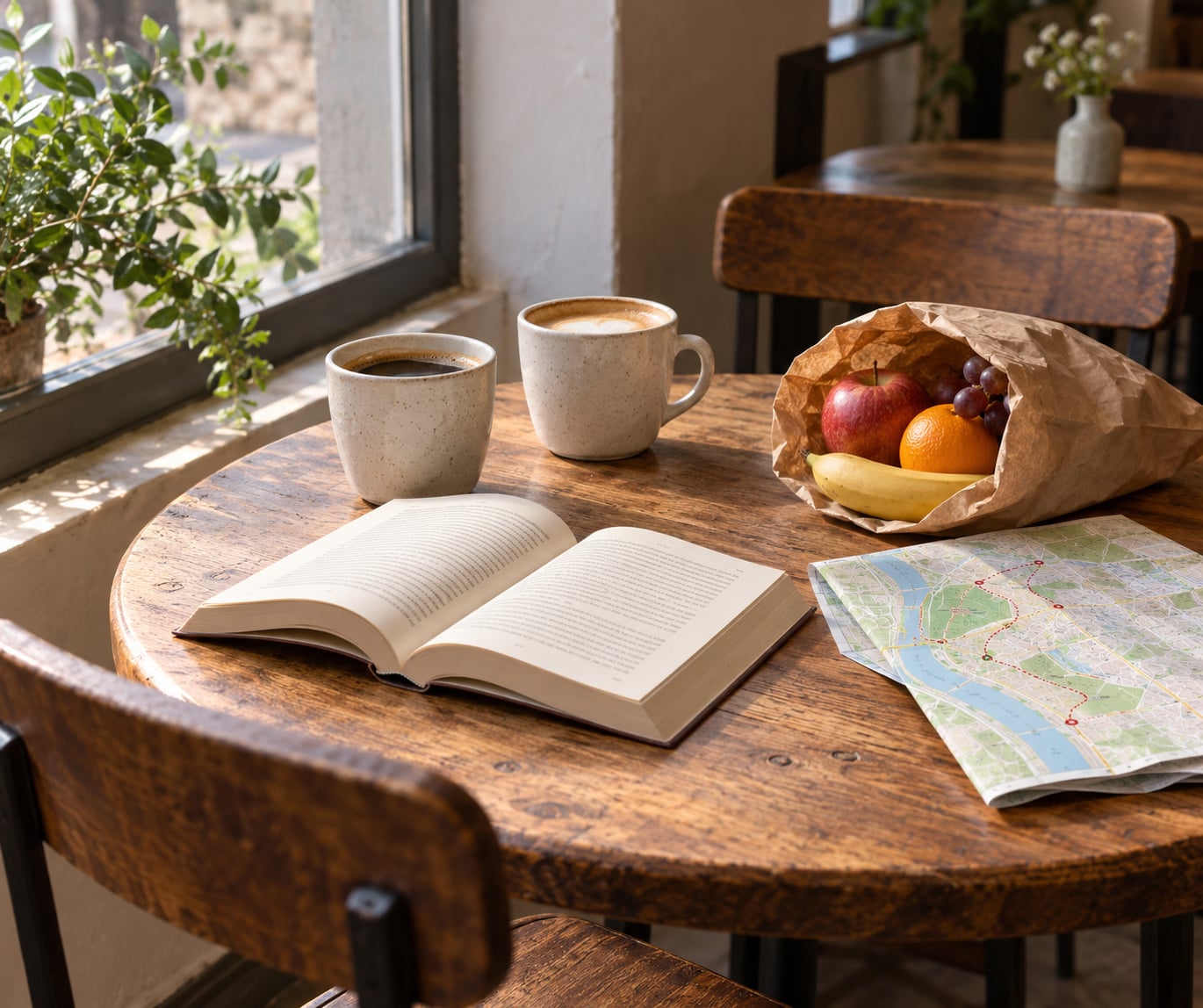
Reading in the same room is an underrated second date. You get proximity and company without the demand of sustained eye contact, and the book itself becomes the conversation. People reveal a surprising amount through what they read and how they describe it.
Pick a café with seating that does not force you to face the room, and something with a bit of noise so silence is not awkward. Bring your own book rather than arranging to read the same one; reading the same title in parallel works too, but separate books give you more to compare later.
When you swap a paragraph or two over a drink, the exchange stays short and specific. A line someone loved, a chapter they would drop, a book they gave up on. That is a real exchange, and it is much easier than asking someone to describe their childhood.
3. Take a Beginner-Friendly Dance Lesson
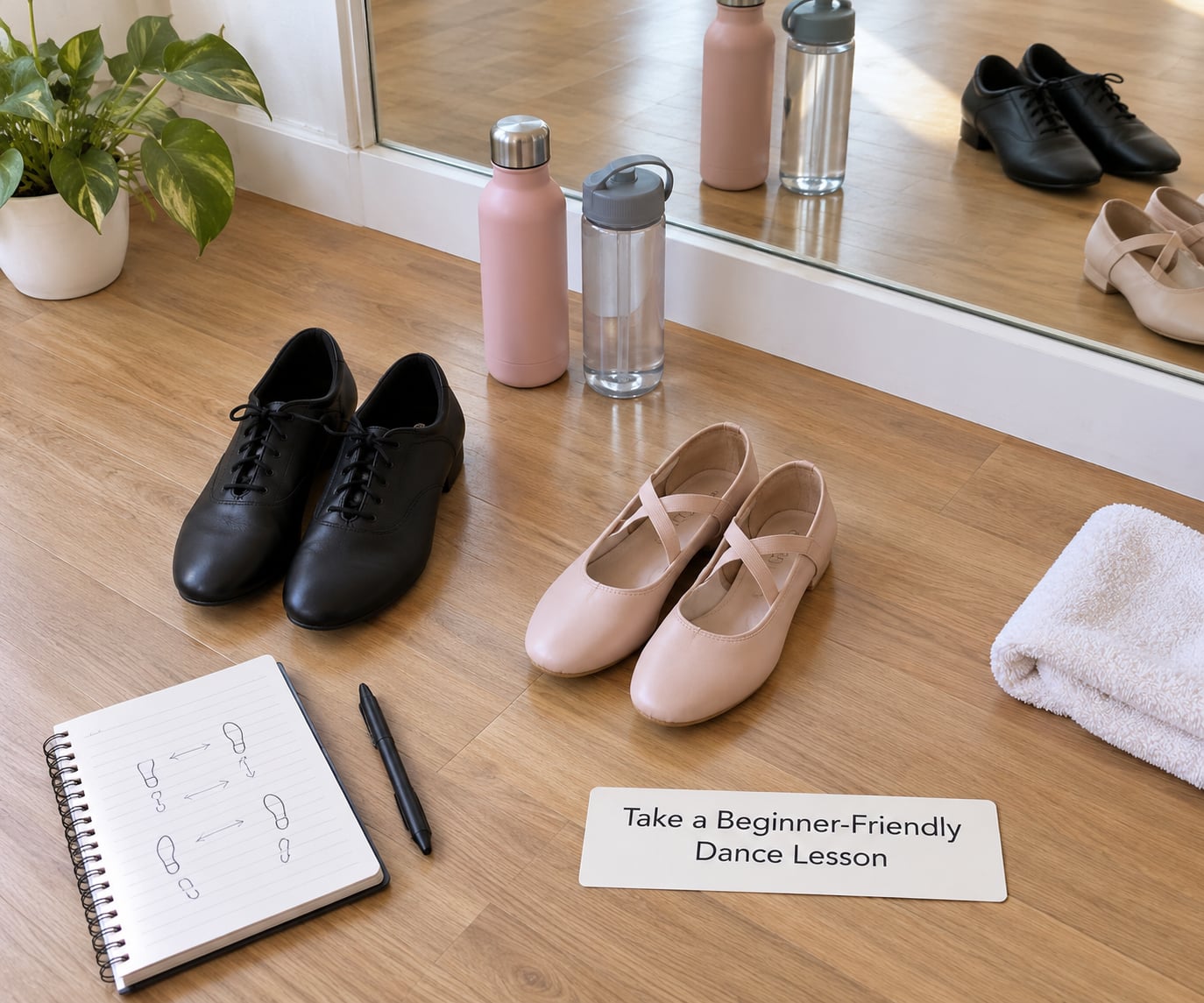
A group beginner class does something dinner cannot: it gives you a reason to be close without either of you having to decide that. Partners rotate, the instructor sets the pace, and everyone is visibly bad at the same thing, which is a gift socially.
Look for studios that advertise beginner classes with no experience needed, and check whether partner work is optional. Social or salsa studios, ballroom studios and community dance nights all run first-timer sessions, and the format is usually drop-in.
Nobody is good at the first fifteen minutes. Laugh through it, because the awkward timing is the funny part and it is the part you will both remember. Physical contact in a partnered class follows the instructor and the room, and either of you can step out to the side and take a break at any point without explaining why.
4. Browse a Small Art Gallery or Museum
A gallery is a good second date because it changes the setting without changing the pressure. You walk, you look at things, and you have an endless supply of things to point at. A small local museum or a university gallery exhibit usually takes ninety minutes, which is the right length for date two.
Do not do the homework-and-holdforth version of a museum date. Ask open questions instead: which one would you take home, which one annoys you, what would you rather see more of. Disagreement is useful; it gives you something to push at gently without being combative.
The payoff is a shared reference. Two weeks later you can both bring up the same painting and remember the same argument, and that is the kind of inside reference that makes a third date easy to plan.
5. Go for a Walk With No Rushed Destination
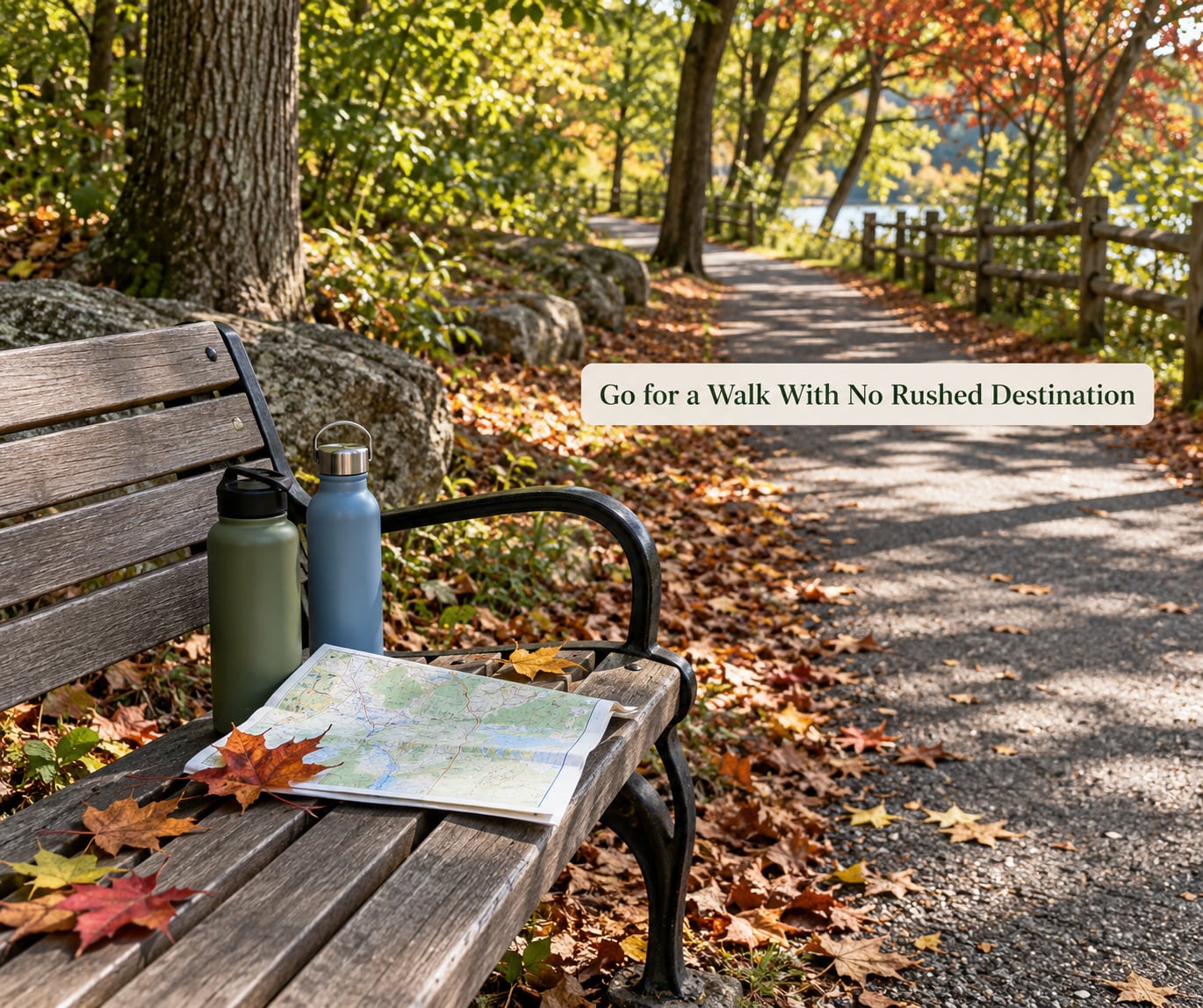
A walk with a purpose but no endpoint is the cheapest reliable connection-builder on this list. Movement loosens people up, the view changes every thirty seconds, and nobody is staring at you while you decide what to say next.
A concrete example: a two-mile loop through a park with a water stop halfway, planned by looking at one map before you meet. That is long enough for real conversation and short enough that neither of you is stuck. Aim for sixty to ninety minutes and check the route before you go so you are not stranded when the light changes.
Phones away is the hard part. Put yours in a pocket rather than holding it, and if you are the kind of person who disappears into a screen, say so out loud as a joke at the start. Silence on a walk is fine as long as both people have agreed it is fine.
6. Play a Board Game With a Cooperative Twist
Board games show you how someone handles losing, how they plan, and what they do when the plan fails. That information is hard to get from an hour of talking, which is exactly why a second date is a good place to use one.
Skip the intensely competitive ones for now. Pandemic Legacy, Hanabi, Forbidden Island or a cooperative dungeon-crawl style game are better than anything with strong elimination, because you are not watching someone enjoy your failure. Cooperative play also gives you an inside team reference, which is the raw material of a third date.
Set ninety minutes as the soft limit and agree on it out loud. Games that end in a sudden death match after two hours are a bad second date in a way that has nothing to do with chemistry.
7. Attend a Casual Live Music Session
A small jazz set, an acoustic evening or an open mic gives you shared atmosphere without constant talking. The room does some of the work for you, and there is a natural point in the evening where you look at each other instead of performing.
Before you go, check the format. Open mics can be three-minute comedy spots rather than music, and some bars only book covers. Small listening rooms and supper clubs are calmer and better for talking, but book ahead; most of them fill up.
Pick one detail afterward and talk about it. The drummer who nailed the last song, the song you would have guessed wrong. It keeps the debrief from turning into a review of the whole evening, which is the easiest way to kill a good mood.
8. Explore a Farmers Market and Picnic
A market gives you movement, sensory conversation and a small shared decision-making task in one. You walk, you compare things, you pick, and then you eat somewhere that is not a restaurant. The sense of partnership is doing a lot of quiet work.
A realistic version: fruit, bread and a block of cheese, eaten on a bench or blanket within fifteen minutes of buying, because anything else turns into a logistics problem. Keep it to three things so nobody is carrying six bags of shopping.
On food safety, keep cold items cold. Cheese and cut fruit should not sit unrefrigerated in warm weather for more than about two hours, and skip anything perishable if the day is hot and the walk home is long. Bring a bottle of water and a rubbish bag, and you have a date that costs less than dinner and does more.
9. Try a Beginner Ceramics Class
Ceramics hands you a task with no correct answer, which makes it one of the least judgmental ways to spend two hours together. You choose colors, you compare wonky bowls, and the conversation gets easier precisely because you are both concentrating on something else.
When choosing a class, look for a first-timer session rather than an open studio you have to know how to use. Wear clothes you do not mind ruining, remove rings, and tie hair back. Slippery hands plus a wedding ring is how people meet the studio nurse.
Keep the frame light. Do not treat the class as a test of whether either of you has romantic potential; the point is that you made something together and you laughed while doing it. A studio that gives you the choice to glaze and fire your piece gives you a reason to exchange a message a week later.
10. Take a Sunset Walk With One Planned Conversation Prompt
This is a walk with a small piece of scaffolding. Pick one prompt in advance, hold it loosely, and use it only if the conversation stalls. If it is already flowing, drop it.
Neutral prompts work best: the best trip you have taken that was not about the destination, something you changed your mind about recently, a skill you would like to have ten years from now, what you do on a day when nobody needs anything from you. Avoid anything that sounds like an interview opening, and never stack two prompts together.
Timing matters. Start the walk an hour or so before sunset so the good light is the part you see together, and check the sunset time for your date before you pick the meeting point.
11. Visit a Pet-Friendly Spot and Talk About Animals
For animal lovers, a dog park or a pet-friendly café tells you a lot in a short time. People describe their routines, their commitments and their tolerance for mess without realizing they are answering a compatibility question.
Check the rules first. Some parks require registration, some restrict breeds or size, and some cafés keep dogs on a lead or out of the seating area. An online check takes two minutes and saves an awkward arrival.
Ask about their animals rather than planning around them. Whether you have a dog, want one, or firmly do not are all reasonable answers, and a big mismatch there is worth knowing about before anybody starts making weekend plans. Borrowing someone else’s pet before you are dating them is a genuinely bad idea.
12. Build a Shared Playlist and Discuss Favorites
Music is a personality test you get to run together. Comparing three or four songs is enough; a full playlist exchange before you have met is a lot of homework and a lot of exposure.
Do it in one direction. Each of you picks three songs, they play in order, and you react to whatever comes on. There is no correct answer, so nobody is being judged, and the conversation that follows is about memory as much as taste: the song someone played on a road trip, the one they will not listen to anymore and why.
Respect the genre. Some people will sit politely through four minutes of something they dislike, and noticing that is worth more than being polite about it. If one of you listens to a lot of one thing, let the other person pick the next round.
13. Work Through a Fun Quiz or Puzzle Experience
Trivia, a puzzle room or a bookshop scavenger hunt produces stories instead of anecdotes. You leave with a thing that happened to both of you, and stories are what make a third date easy to propose.
Choose easy to medium difficulty and a duration of about an hour. Most escape rooms run sixty minutes with a short intro and a wind-down, and the queues on weekend evenings are long enough that booking the slot matters. Bar trivia is free, requires no booking and is a reasonable backup.
Let the result become a joke rather than a verdict. Getting a trivia answer wrong together, or solving a puzzle one minute before the timer, is a memory you will both bring up next week. That is the point of the evening.
14. Take a Short Day Trip With One Flexible Activity
A day trip is a bigger commitment, so it belongs to a second date where the first one already went well. The mistake is committing the whole day. Pick one destination, one thing to do there, and leave everything else unstructured.
Keep it reachable: under an hour each way on transit, and cheap enough that neither of you is counting. A coastal town, a small historic district, a botanical garden or a market in the next town over all work. Check the return journey and the last train or bus home before you set out, and plan for weather by having a low-cost indoor backup in the same town.
Someone always needs to get home at a certain time. Agreeing that out loud at the start, rather than at hour five, is what keeps a day trip from turning into a negotiation. Nine out of ten of these should be the fourth date, not the second, unless you are both genuinely free and genuinely enjoying it.
Frequently Asked Questions
What are good second date ideas when the first date went well?
Pick something you do together rather than something you sit through. Cooking a meal, a beginner dance or pottery class, a cooperative board game or a short walk with a planned prompt all work because each one has a built-in task, which lowers conversational pressure. The rule of thumb: choose an activity with a natural middle, so it can run short or long without anyone having to engineer an exit.
What second date ideas are inexpensive but still create good conversation?
Free and low-cost options can be better than an expensive restaurant, because effort and thought register more than spending. A walk with no set destination, a farmers market picnic assembled from three purchases, a dog park visit, building a shared playlist, or bar trivia all create real conversation. Put your attention and planning into the choice, not the bill.
Should a second date be more planned than a first date?
Yes, somewhat. A first date is often kept loose on purpose, but the second one is a statement that the first went well, so a little preparation reads as effort. You do not need a script, and you should never over-schedule a whole day. One activity, one place to sit afterwards, and an honest sense of how long you want to stay is plenty of planning.
What if I am nervous about suggesting an activity on a second date?
Name the nervousness instead of hiding it. Saying that you are not great at picking activities and want to try something you both enjoy takes the pressure off and usually makes the other person relax too. Keep the suggestion specific but low-stakes, like a walk or a market, and offer to split the planning. Sending three options in one message helps more than an open question.
How do I know whether a second date created genuine connection?
Look at behaviour, not nerves. Nerves shrink over an evening; interest does not show up as someone asking you more questions, suggesting what to do next, or mentioning the evening again without being prompted. If the conversation went quiet and stayed quiet even once you were both doing something together, that is useful information too. Trust how the evening felt, then check it against what you both do afterwards.
Choose the One Idea That Feels Like Both of You
Run four filters before you choose: shared interests, available energy, budget and comfort level. An idea that scores well on three of them will go better than one that scores perfectly on paper and none of them in practice.
Then commit to one, and say the specific plan out loud when you suggest it. Not we should do something soon, but there is a beginner ceramics class on Thursday at seven, want to come. Specificity is the difference between a second date and another coffee.
Whatever you pick, put the phones away, give it about ninety minutes, and let the activity carry the awkward minutes. That is usually where the connection actually happens.